The Latest Web Design Trends That Actually Matter for Your Business
A new website should do more than look current. It should help your business attract qualified visitors, earn trust quickly and turn more of your marketing spend into measurable opportunities.
This guide covers the latest web design trends that matter most for business owners planning a new website, including responsive design, accessibility, conversion strategy, performance, content structure and ROI-focused planning.
The goal is simple: build a site that looks sharp, works hard and supports your broader marketing.
what should business owners prioritize when building a new website?
Business owners should prioritize strategy before visuals: audience needs, clear messaging, mobile usability, lead generation, accessibility, search visibility and measurement. A beautiful website can still underperform if visitors cannot understand what you offer, find the next step, or use the site easily on a phone.
Google recommends mobile-friendly sites and defines responsive design as serving the same HTML on the same URL while adapting the display to different screen sizes, which makes mobile planning a business-critical decision rather than a technical afterthought. (developers.google.com)
For most businesses in Virginia and across the United States, the website is the center of the marketing ecosystem. Ads, social media, email, search, referrals, print campaigns and sales conversations often point back to it. That means the right build process should connect design choices to business outcomes from the start.
Start with these essentials:
- Business goals: lead generation, online sales, recruiting, donations, appointment requests, quote requests, brand awareness, or customer education.
- Primary audiences: local buyers, regional prospects, national customers, referral partners, job seekers, or existing clients.
- Core conversion paths: calls, forms, bookings, downloads, purchases, email signups, or consultation requests.
- Content priorities: services, industries served, proof points, team information, location relevance and answers to common buyer questions.
- Measurement plan: analytics, conversion tracking, call tracking, campaign landing pages and reporting.
When those decisions come first, design becomes more than decoration. It becomes the structure that helps users move from interest to action.
web design trends that support real business goals
Not every trend deserves your budget. The best web design trends are the ones that improve clarity, speed, trust and conversion. Estland’s perspective is practical: if a trend does not help users understand your business or take the next step, it should not drive the project.
responsive design is now the baseline
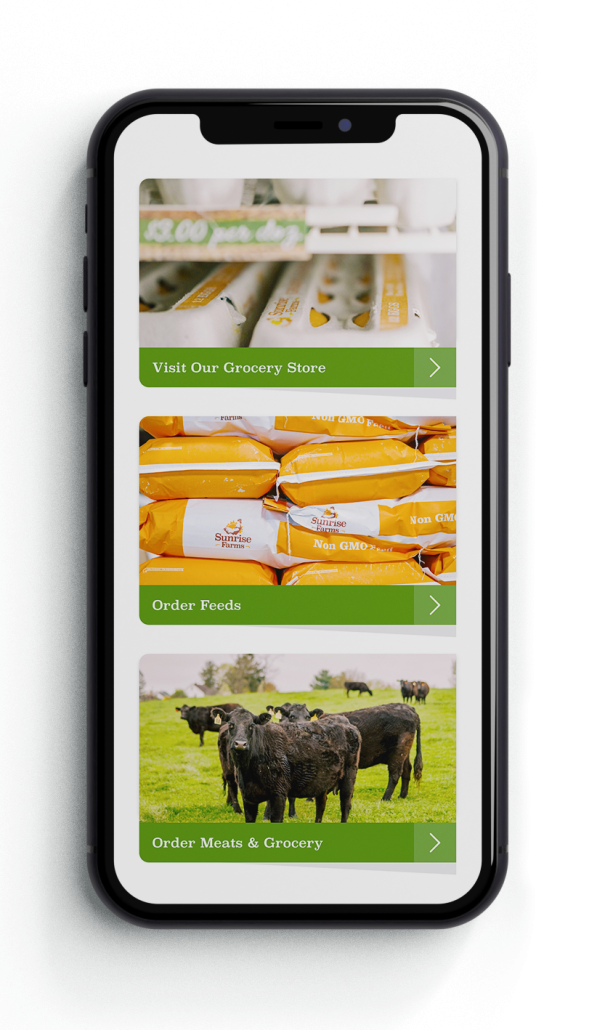
Responsive design means your website adapts to different screen sizes, including phones, tablets, laptops and large monitors. For business owners, the benefit is straightforward: one site can serve users wherever they find you. Responsive design also helps reduce the risk of inconsistent content between mobile and desktop experiences.
A responsive site should not simply shrink a desktop layout. It should make important actions easier on smaller screens.
Phone numbers should be tappable, forms should be short enough to complete, navigation should be simple and service information should remain easy to scan.
A strong mobile experience protects marketing spend because paid traffic, organic visitors and social clicks often arrive on smartphones. If the site is hard to use, the campaign pays for visits that may never become leads.
clear, conversion-focused layouts outperform clutter
Modern websites are moving toward cleaner layouts, stronger hierarchy and fewer distractions. That does not mean plain design. It means every page has a job.
A conversion-focused page usually includes:
- A clear headline that states the value of the product or service.
- Supporting copy that explains who the offer is for and why it matters.
- Proof elements such as testimonials, project examples, credentials, or recognizable client categories when available.
- A visible call to action near the top and repeated naturally throughout the page.
- Content sections that answer objections before the visitor leaves.
Trust is especially important when visitors are deciding whether to share time, money, or personal information with a business online. Nielsen Norman Group describes trust as essential to users’ willingness to risk those things on a website.
performance and speed shape the first impression
A slow site can make a strong business look harder to work with than it really is. Speed affects user experience, especially for visitors on mobile connections, and it can influence whether people stay long enough to read, compare, or contact you.
Business owners do not need to know every technical detail, but they should ask practical questions during planning:
- Will the site be built with clean, efficient code?
- Are images compressed and sized properly?
- Will the hosting environment support reliable performance?
- Are unnecessary plugins, scripts, or visual effects being avoided?
- Will the site be tested before launch on real devices?
Performance is not only a development issue. It is also a marketing issue because every wasted second can weaken the return from paid campaigns and organic traffic.
content design is becoming as important as visual design
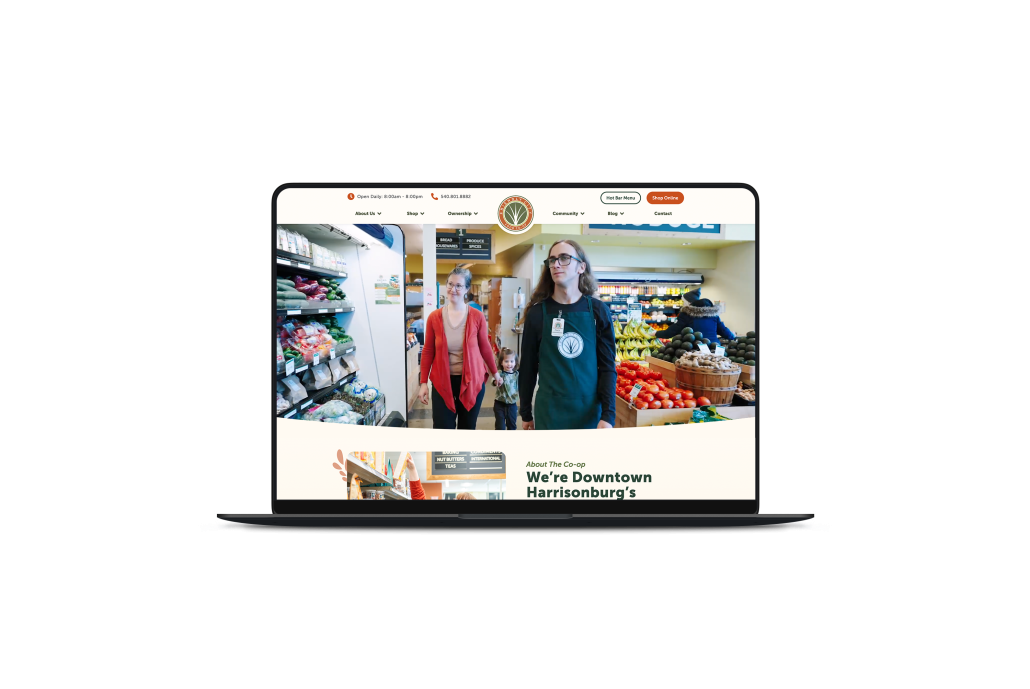
One of the latest trends in web design and development for business owners is the rise of content-first planning. This means the site structure is shaped around what customers need to know, not around filler copy placed after the design is finished.
Strong content design answers questions in the order a buyer naturally asks them:
- What do you do?
- Do you serve businesses like mine?
- Why should I trust you?
- What does the process look like?
- What should I do next?
This approach is valuable for users and for search visibility. It also helps sales teams because the website pre-educates prospects before a call or meeting.
how can you maximize marketing spend when building a new website?
You maximize marketing spend by investing first in strategy, high-impact pages, reusable content, conversion tracking and a scalable foundation. Do not spend the entire budget on visuals while underfunding messaging, SEO structure, accessibility, analytics, or post-launch optimization. A website creates better ROI when it is built to support campaigns before, during and after launch.
Your website should not be an isolated expense. It should have a primary role in advertising, branding, sales enablement, hiring and customer service.
spend first on what affects revenue
If the budget is limited, prioritize the parts of the website most likely to influence leads and sales. These usually include the homepage, key service pages, location or market pages, contact paths, landing pages and content that supports high-intent search queries.
A practical budget hierarchy looks like this:
- Strategy and messaging: define positioning, audiences, offers and calls to action.
- Information architecture: organize pages so users and search engines can understand the site.
- Core page design: create layouts for the pages that carry the most business value.
- Responsive development: make the site work smoothly across devices.
- SEO fundamentals: plan titles, headings, internal links, page copy and technical basics.
- Conversion tracking: measure forms, calls, downloads, purchases, or bookings.
- Launch support: test forms, redirects, tracking, speed and mobile usability.
This order protects ROI because it funds the foundation before optional enhancements.
build for campaigns you have not launched yet
A smart website anticipates future marketing. Even if you are not running paid search, social ads, email campaigns, recruitment campaigns, or seasonal promotions today, your site should make those efforts easier later.
That may mean creating flexible landing page templates, modular content sections, reusable testimonial areas, clear product or service categories and simple ways to publish new content. A scalable site helps you avoid rebuilding every time your marketing plan changes.
For Virginia businesses with local audiences, the site should also support regional relevance. That can include location pages, community-focused language, service-area clarity and content that reflects how customers search in specific markets such as Harrisonburg, the Shenandoah Valley, Richmond, Northern Virginia, Roanoke, or other U.S. regions where the business operates.
measure what matters after launch
A website launch is not the finish line. It is the beginning of measurable improvement.
Track actions tied to business value, such as:
- Form submissions.
- Phone calls from the website.
- Appointment bookings.
- Quote requests.
- Ecommerce purchases.
- Email signups.
- File downloads.
- Clicks on key calls to action.
This data helps you decide where to invest next. If a service page receives traffic but few inquiries, the issue may be messaging, page structure, proof, offer clarity, or form friction. If ads generate clicks but not leads, the landing page may need more focused content or a stronger call to action.
Ready to plan smarter? Start with the pages that can produce measurable business outcomes.
accessibility and ADA best practices protect users and brands
Website accessibility means designing and developing a site so people with disabilities can use it. For business owners, accessibility is both a user-experience responsibility and a risk-reduction consideration. The U.S. Department of Justice identifies common website accessibility barriers such as poor color contrast, missing image text alternatives and content that cannot be navigated by keyboard. (ada.gov)
ADA accessibility best practices should be built into the project early. Retrofitting accessibility later can be more difficult than planning for it from the beginning.
Key practices include:
- Use readable color contrast between text and backgrounds.
- Add meaningful alt text to informative images.
- Make forms clear, labeled and easy to complete.
- Ensure menus, buttons and interactive elements can be used with a keyboard.
- Write descriptive link text instead of vague phrases.
- Structure headings in a logical order.
- Avoid relying on color alone to communicate meaning.
W3C’s accessibility guidance also emphasizes practical design considerations such as sufficient text contrast and accessible user interface design, while WCAG references keyboard accessibility as an important success criterion. (w3.org)
Accessibility also improves the overall customer experience. Clear labels, readable type, logical navigation and simple forms help more than users with disabilities. They help everyone move through the site with less friction.
development choices that keep your site flexible
A business website should be easy to manage after launch. The best development approach depends on your goals, team, budget and marketing plan. A small local service business may need a lean, easy-to-update site. A growing regional company may need advanced integrations, gated resources, multilingual content, ecommerce, or CRM connections.
Before choosing a platform or build style, ask:
- Who will update the site after launch?
- How often will new pages or blog posts be published?
- Does the site need ecommerce, booking, payments, or customer portals?
- What tools must connect to the website?
- How important are design flexibility and page speed?
- What security, backup and maintenance support will be needed?
Avoid choosing technology only because it is trendy. Choose the system that supports your marketing operations, internal workflow and customer experience.
practical checklist before approving a new website plan
Use this checklist before signing off on scope, budget, or design direction:
- The business goals for the site are clearly defined.
- The primary audiences and buyer questions are documented.
- The site map supports user needs and search visibility.
- Key pages have a clear conversion goal.
- Responsive design is included from the beginning.
- ADA accessibility best practices are part of design and development.
- Content is planned before final design decisions are locked.
- Calls to action are visible and specific.
- Analytics and conversion tracking are included.
- Launch testing covers mobile, desktop, forms, links, speed and redirects.
- The post-launch improvement plan is discussed before launch day.
This checklist helps keep the project focused. It also makes vendor conversations more productive because everyone can connect design decisions to business value.
the strongest websites connect brand, marketing and operations
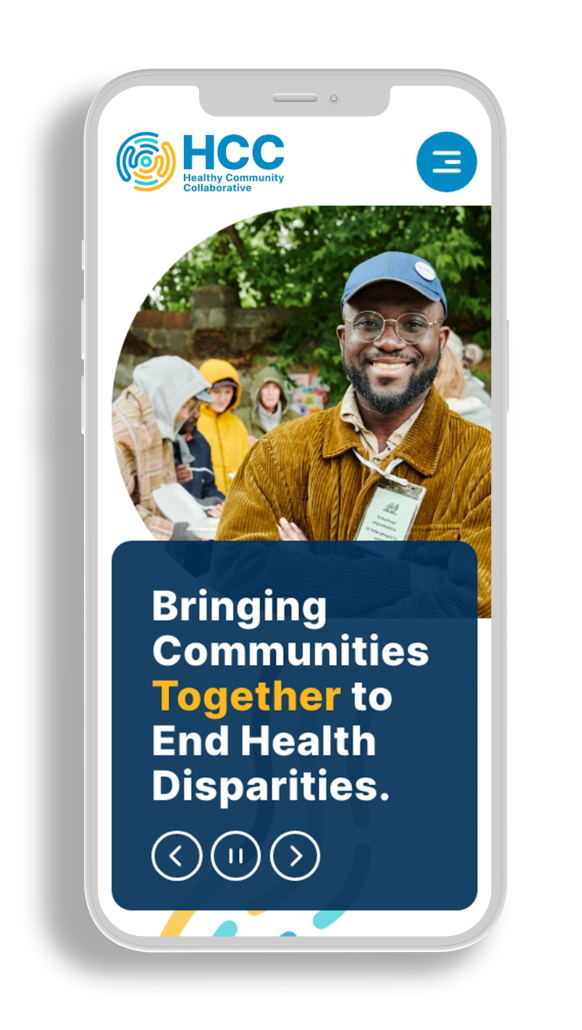
The latest web design trends are not just about style. They are about building a site that can support how your business sells, serves, hires, communicates and grows. Responsive design, accessibility, strong content, fast performance and conversion tracking all work together to improve the value of your marketing investment.
From Estland’s perspective, the best website projects start with a clear business conversation. What do you need the site to accomplish? Who needs to use it? What marketing channels will depend on it? What will you measure after launch?
Frequently Asked Questions About Web Design
How early should business owners involve a web design agency?
Involve an agency before finalizing the budget, site map, or content plan. Early input helps align messaging, design, development, SEO, accessibility and tracking before expensive decisions are locked in.
What is the most important web design trend for business owners?
Responsive design remains one of the most important priorities because visitors use many devices and screen sizes. A site that works well on mobile helps protect the value of traffic from search, ads, social media and referrals.
How can a new website improve marketing ROI?
A new website can improve ROI by clarifying your message, reducing user friction, supporting search visibility, improving conversion paths and measuring valuable actions. The key is to plan the site around business goals rather than visual preferences alone.
Do small businesses need ADA accessibility best practices?
Yes. Small businesses benefit from accessible websites because accessibility helps more people use the site and can reduce avoidable barriers. Practical steps include readable contrast, alt text, keyboard-friendly navigation, clear form labels and logical headings.
Is a website launch enough, or should we budget for ongoing improvements?
Budget for ongoing improvements when possible. Post-launch data can reveal which pages, calls to action and campaigns need refinement. Continuous improvement helps the website become more valuable over time.
build a website that works as hard as your business
Web design trends will continue to change, but the fundamentals of a strong website are much more durable. Start with a clear strategy, understand what your customers need, prioritize accessibility and performance and make every page serve a purpose.
At Estland, we believe your website should be more than something that looks good. It should support your marketing, strengthen your brand and help turn more visitors into customers. If you’re planning a new website, let’s build one that’s designed around your business goals from day one.