Developing Targeting Options for Digital Display Advertising
Start With Better Audience Choices for Optimal Targeted Digital Display Advertising Results
Targeted digital display advertising puts visual ads in front of people based on signals such as location, interests, browsing behavior, website visits and the content they are viewing. To get started:
- Define one clear campaign goal
- Choose a focused audience
- Match the message to that audience
- Measure what happens after the ad is seen or clicked
Unlike search ads, which answer an active query, display ads create discovery while people browse websites, use apps, watch videos or read content. That makes them useful for building awareness, bringing past visitors back and supporting future conversions.
For Business Owners, Marketing Directors and Project Managers, the real opportunity is not simply reaching more people. It is reaching the right people often enough to be remembered, without wasting impressions on audiences who are unlikely to care.
Fundamentals of Targeted Digital Display Advertising vs. Search Campaigns
To build an effective promotional plan, it helps to understand how display and search channels complement each other. Search advertising captures high-intent demand. When someone types a query into a search engine, they have an immediate question or need.
Display advertising operates through outbound visual discovery. It introduces your brand, products or services while prospects browse content across the web.
|
Feature |
Search Advertising |
Display Advertising |
|
User Intent |
High, active inbound demand |
Outbound visual discovery and interest |
|
Ad Formats |
Text-based headlines and descriptions |
Visual banners, rich media, video and interactive units |
|
Primary Strengths |
Immediate conversion capture |
Brand awareness, visual storytelling and retargeting |
|
Inventory Reach |
Search engine results pages |
Millions of websites, mobile apps, videos and email interfaces |
|
Targeting Basis |
Keyword queries and search intent |
Audience demographics, interests, context and behavioral history |
Display placements give brands visual presence across the web. According to documentation about Display ads and the Google Display Network, display campaigns can reach users across 35 million websites and apps, plus Google-owned properties such as YouTube and Gmail.
That’s a lot of coverage and a lot of connection for a single display ad.
Real-Time Bidding & Ad Serving Mechanics
Programmatic display runs on automated real-time bidding (RTB). When a user lands on a webpage, the publisher’s site sends an ad request to an ad exchange.
Advertisers set parameters and maximum bid thresholds within their demand-side platforms. The exchange evaluates the user’s demographic profile, device type, geographic location and browsing history before hosting a lightning-fast auction.
The system evaluates the impression, bids on the placement, selects the winning creative asset and renders the ad—all within milliseconds before the webpage finishes loading.
Essential Audience & Contextual Targeting Information
Finding your audience requires selecting the right mix of targeting layers. Instead of broadcasting generic banners to every visitor, marketers can configure demographic parameters, location fences and content affinities to isolate high-value prospective buyers.
Modern campaign tools streamline how these parameters are managed. When targeting your ads with Google Ads, you can select audience segments, refine content topics and implement placement exclusions to prevent wasted impressions.
Core Targeting Methods in Targeted Digital Display Advertising
Display platforms offer several primary targeting methods to segment prospective buyers:
- Affinity Segments: Reach people based on long-term lifestyle habits, hobbies and persistent interests.
- In-Market Audiences: Connect with prospects actively researching or comparing products and services similar to yours.
- Demographic Segmentation: Filter impressions by age brackets, parental status, household income tiers and gender.
- Geo-Targeting and Geo-Fencing: Serve ads within specific territories, such as Harrisonburg, Staunton, Charlottesville or broader markets across Virginia.
- Dayparting: Schedule delivery during specific hours of the day or days of the week when prospects are most active and responsive.
Contextual Placement & Brand Safety Controls
Contextual targeting matches your creative assets to the exact subject matter of the hosting webpage. Advanced natural language processing analyzes webpage text, language semantics, link hierarchy and overall page structure to ensure alignment.
Brand safety controls are equally vital. Marketers can designate negative placement exclusions to prevent ads from appearing alongside objectionable news stories, controversial topics or low-quality mobile gaming apps. Applying strict domain exclusions and working with vetted inventory networks protects brand equity and prevents ad fraud.
Advanced Targeting Strategies: First-Party Data, Retargeting & AI
As digital privacy standards evolve and third-party tracking mechanisms phase down, first-party data has become the primary asset for precision marketing. CRM lists, newsletter subscribers and website visitor data can provide valuable first-party signals when collected and used appropriately.
Advertisers can directly create a Display campaign that uses your data to reconnect with qualified leads who have engaged with specific digital assets or abandoned shopping carts.
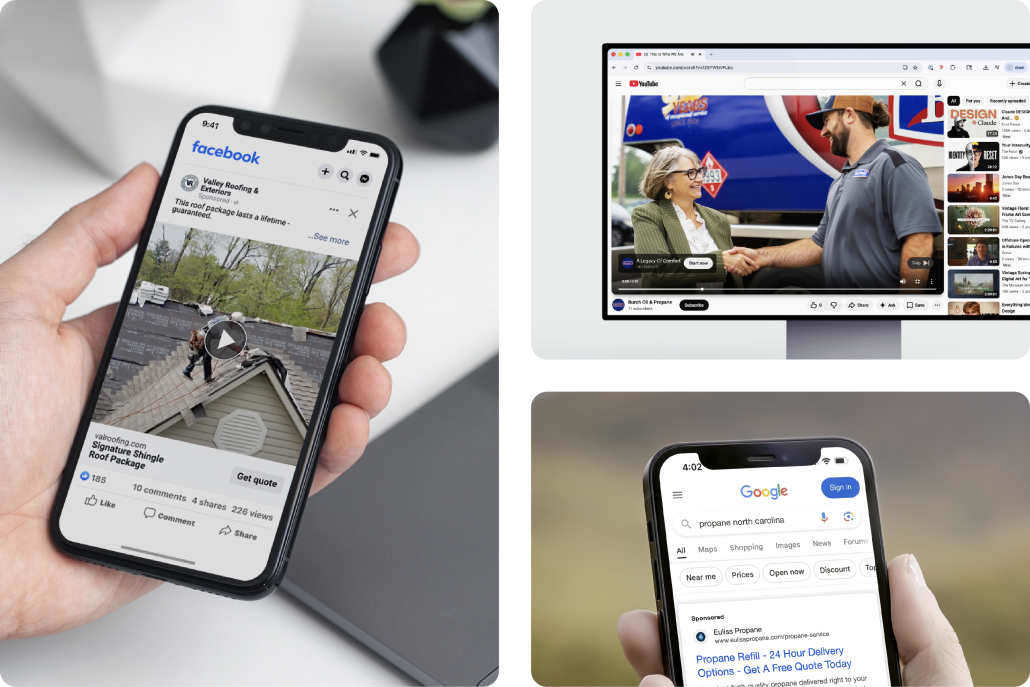
Automated Discovery with AI & Optimized Targeting
Artificial intelligence tools improve audience discovery by identifying high-converting prospects that manual segmentation might overlook. Learning more about optimized targeting reveals how machine learning looks beyond manual audience segments to find real-time conversion patterns.
By providing customer data segments and relevant keywords as initial hints, the system uses conversion data to expand reach to users who demonstrate similar buying signals, improving conversion efficiency without requiring manual bid increases.
Step-by-Step Guide to Launching, Measuring & Optimizing Display Campaigns
Building a high-performing display campaign requires a structured, repeatable methodology:
- Clarify Campaign Goals: Determine whether your primary key performance indicator is top-funnel brand visibility, mid-funnel traffic acquisition or direct sales generation.
- Select Audience Segments: Layer first-party data, custom intent keywords, geographic regions and contextual topics.
- Assemble Creative Variations: Produce high-contrast responsive assets, clear value propositions and prominent call-to-action buttons.
- Establish Bidding and Budget Models: Select cost-per-thousand impressions (CPM) for broad exposure or target cost-per-acquisition (tCPA) for conversion-focused campaigns.
- Review Placement Exclusions: Exclude irrelevant content categories, low-performing mobile placements and non-converting websites.
- Iterate and Optimize: Evaluate click-through rates (CTR), conversion rates, cost-per-lead (CPL) and return on ad spend (ROAS) to refine ad rotation and audience segments.
Businesses seeking a fully managed approach often turn to the complete digital marketing package your business deserves to unify their visual advertising, search campaigns and analytics under one strategic umbrella.
Creative Formats and Dynamic Optimization
Ad format selection directly influences audience engagement. Visual creative choices include:
- Responsive Display Ads: Platforms automatically combine uploaded headlines, logos, marketing copy and imagery to generate thousands of responsive layouts.
- Rich Media and Interactive Units: Dynamic carousels, expandable canvases and product configurators encourage active user interaction.
- Native Display Ads: Format-matched visual units that adapt to the editorial style of host publications for an organic user experience.
- Digital Video Assets: Short video clips and bumpers that drive high engagement across content feeds and video streams.
Full-Funnel Multi-Channel Integration
Display advertising can become even more effective when integrated with search, social media, video and offline marketing. Display banners introduce brand messaging and build familiarity, which can support branded search activity and other interactions later in the customer journey.
Using multi-touch attribution models helps marketing leaders evaluate assisted conversions, ensuring display receives proper credit for introducing prospective buyers into the pipeline.
Frequently Asked Questions About Display Ad Targeting
How does display ad targeting differ from search targeting?
Search targeting captures active, intent-driven queries entered directly into a search engine box. Display ad targeting relies on audience interests, demographics, browsing history, geographic locations and contextual webpage relevance to visually engage prospects while they read articles, use apps or browse websites.
What frequency cap best prevents ad fatigue?
There is no universal frequency cap that works for every campaign. The right frequency depends on your audience, campaign goals, creative and buying cycle. Monitor performance and use frequency controls to limit overexposure when necessary.
How can advertisers target users without third-party cookies?
Advertisers succeed in cookieless environments by leaning into verified first-party customer lists, deploying contextual targeting based on page semantics, utilizing publisher-direct audience networks and adopting AI-driven optimized targeting that evaluates real-time conversion patterns.
Make Every Impression Count
Effective display advertising isn’t about putting your message in front of as many people as possible. It’s about reaching the right audience with the right message at the right time.
That requires thoughtful targeting, compelling creative and ongoing optimization based on what the data tells you. It also means understanding how display advertising fits into your broader marketing strategy.
At Estland, we bring those pieces together to help businesses turn digital impressions into meaningful connections. From audience strategy and creative development to campaign management and optimization, we’ll help you make the most of every opportunity to get your brand noticed.