The Blueprint to Content Strategy Development
Why Every Business Needs a Digital Advertising Plan Before Spending a Dollar
A solid digital advertising plan is the difference between ad spend that builds your business and money that quietly disappears into the internet. It is a documented blueprint that defines where you will advertise, who you are targeting, what you will say and how you will measure results.
What a digital advertising plan includes at a glance:
- Clear goals – specific, measurable outcomes tied to revenue (not just clicks)
- Target audience – who you are reaching and where they are in the buying journey
- Channel selection – which platforms match your audience and goals
- Budget allocation – how much goes where and why
- Ad creative and messaging – what you say and how it looks
- Campaign structure – how campaigns are organized for clean data
- KPIs and tracking – how you measure what is actually working
Without this framework in place, most businesses are not really advertising. They are guessing. Research from CoSchedule shows that companies with a documented marketing strategy are 414% more likely to report success than those without one — yet many businesses still do not have one.
If your ads feel random, your results are inconsistent or you are not sure where your budget is actually going, this guide will help you fix that.
What is a Digital Advertising Plan and Why Does It Matter?
Your overarching digital marketing strategy is the big picture. It brings together the channels and tactics you use to build your online presence, from your website and email marketing to organic search, social media and paid advertising. It defines how those pieces work together to support your broader business goals.
A digital advertising plan is a more focused piece of that larger strategy. It outlines specifically how you will use paid media to reach your audience, including where you advertise, how you allocate your budget, what messages you use and how you measure performance.
|
Feature |
Digital Marketing Strategy |
Digital Advertising Plan |
|
Scope |
Your overall approach to reaching and engaging customers online |
The paid-media portion of your broader marketing strategy |
|
Channels |
Website, SEO, email, social media, content and paid advertising |
Paid search, display, programmatic, paid social and video advertising |
|
Primary Focus |
Building visibility, engagement, leads and long-term business growth |
Using advertising dollars to reach specific audiences and achieve defined campaign goals |
|
Budget Planning |
Determines how resources are distributed across your digital marketing efforts |
Determines how paid-media budgets are allocated across channels, audiences and campaigns |
|
Measurement |
Evaluates performance across your entire digital presence |
Tracks advertising-specific KPIs such as conversions, cost per lead, CPA and ROAS |
The Difference Between Running Ads and Having a Digital Advertising Plan
Many businesses believe they are advertising because they have an active Google Ads account or occasionally boost a post on Facebook. But running ads without a plan is like buying bricks without a blueprint. You might end up with something, but it probably won’t be a house.
Strategic planning is what turns paid traffic into a predictable, controllable system.
Think of organic traffic like rain—it is wonderful when it happens, but you cannot control when or how much of it falls. Paid advertising gives you greater control over where, when and how your budget is deployed.
An effective plan matches your messaging to the traffic temperature. You cannot treat a stranger the same way you treat a returning customer. By understanding the customer journey, you can guide prospects from cold awareness to warm consideration and finally to hot, ready-to-buy conversions. You can read more about mapping these customer journeys in this guide on How to create a digital advertising plan in 2026 | Adobe.

Essential Components of a Modern Digital Advertising Plan
To build a plan that stands up to the competitive digital landscape of 2026, you need to document several core elements before launching a single campaign:
- Situation Analysis: A realistic look at your current market position, competitor ad strategies and historical performance.
- Target Audience Profiles: Detailed breakdowns of who you are targeting, including their pain points, online behaviors and purchase triggers.
- Key Messages: The core value propositions and creative directions that will grab attention.
- Channel Mix: The specific platforms where your target audience actually spends their time.
- Campaign Timeline: A structured schedule that accounts for creative production lead times and seasonal trends.
- KPIs and Measurement: A clear definition of what success looks like before the campaigns go live.
Overcoming Common Pitfalls in Local Business Advertising
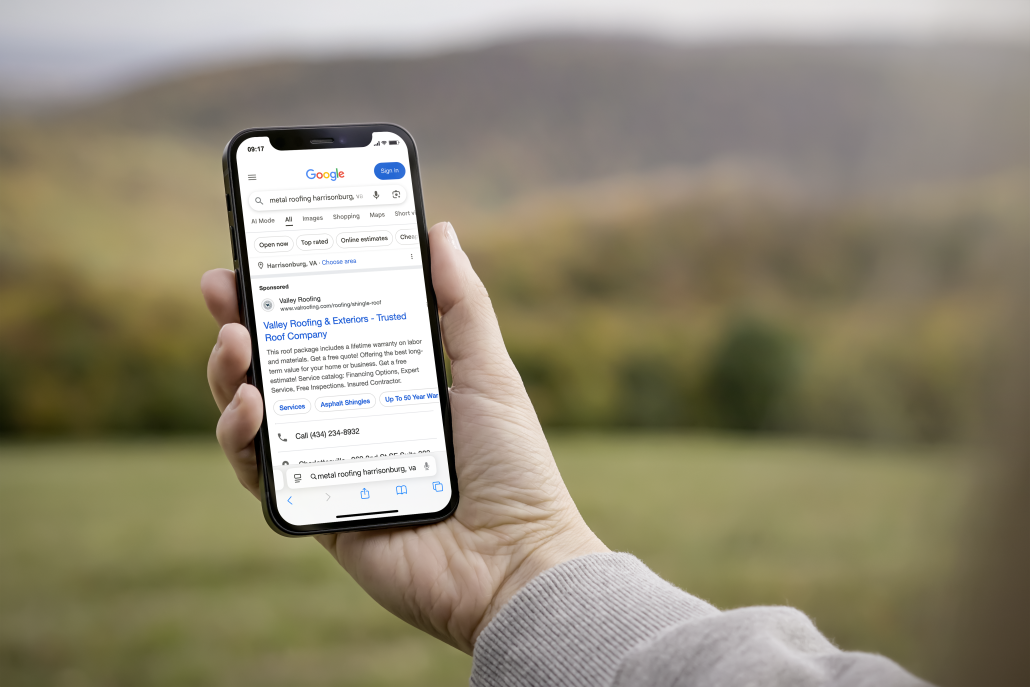
Local businesses face a unique set of challenges. Unlike national brands with massive budgets, local service providers and retailers in regions like Harrisonburg, Fredericksburg, Staunton or Winchester must make every single dollar count.
Why Many Local Campaigns Fail
Most local advertising pitfalls boil down to a few common mistakes:
- Activity-Based Objectives: Setting goals like “getting more clicks” or “increasing impressions” instead of tracking actual revenue outcomes like phone calls, booked appointments or sales.
- Weak Creative: Using boring, generic stock photos instead of authentic, real-world imagery that showcases your actual team, work and community.
- Tracking Errors: Failing to set up proper conversion tracking, which leads to flying blind and not knowing which ads actually generated phone calls or leads.
- Audience Size Issues: Targeting audiences that are either too small (which causes rapid ad fatigue and high costs) or too broad (which wastes money on people who will never buy).
Aligning Local Strategy with Regional Growth
Successful local advertising requires a deep connection to the community. Your campaigns should align with regional growth and community engagement. For instance, businesses operating in Rockingham County can benefit from aligning their messaging with local economic trends and community development, such as those highlighted by Economic Development | Rockingham County, VA.
When you tailor your digital advertising plan to the specific needs, values and local culture of the Shenandoah Valley or Central Virginia, your brand becomes a trusted household name rather than just another random ad on a screen.
Setting Budgets, Channels and Audiences for Today’s Market
Privacy changes, evolving browser and platform policies and the rise of AI-powered advertising tools have changed how marketers target audiences, measure performance and optimize campaigns. That makes first-party data and reliable conversion tracking increasingly important when building an effective advertising strategy.
The digital advertising landscape demands a smarter approach to budget allocation and channel selection.
Channel Selection and Audience Segmentation
Choosing the right channels is about matching user intent to your business goals.
- Google Ads: Particularly effective for reaching people actively searching for a product or service.
- Meta Ads (Facebook & Instagram): Well suited to visual storytelling, awareness, audience targeting and remarketing.
- YouTube: Useful for demonstrating products or services, telling longer stories and building awareness through video.
Privacy changes have made accurate measurement more challenging, which makes reliable first-party data and conversion tracking increasingly valuable. Depending on the size and complexity of your campaigns, tools such as enhanced conversions and server-side tracking can help improve the quality of the data available to advertising platforms.
AI-powered advertising tools can then use that data to help optimize bidding, targeting and creative delivery. But automation isn’t a substitute for strategy. The better your goals, tracking and customer data, the better equipped these systems are to make useful decisions.
Structuring, Tracking & Optimizing Campaigns for Scalable ROI
Clear campaign structure makes it easier to understand what’s working and where your budget is going. From there, accurate conversion tracking allows you to evaluate performance based on meaningful actions like calls, form submissions and sales—not just clicks or impressions. Regular optimization then helps you shift budget, refine targeting and improve creative based on what the data actually shows.
Ad Creative and Landing Page Optimization
Even the most perfectly targeted campaign will fail if your ads and landing pages don’t connect. We must maintain a strict ad scent—meaning the messaging, visual style and offer on your ad must perfectly match the landing page the user lands on.
Your landing page optimization should focus on removing friction. Keep navigation minimal, make your call to action clear and ensure the page loads incredibly fast on mobile devices, which now account for nearly 70% of digital ad spend, according to Statista.
Frequently Asked Questions about Developing a Digital Ad Plan
What is the difference between a digital advertising plan and a digital marketing plan?
A digital marketing plan is a broad, high-level document that covers all digital activities, including organic social media, SEO, email marketing and website updates. A digital advertising plan is a specific subset of that plan, focusing exclusively on how you spend paid media budget to achieve targeted, measurable business goals.
How much budget should a local business allocate to digital ads?
There isn’t a universal starting budget. The right amount depends on your market, competition, average cost per click, sales cycle and goals. A good starting budget should provide enough traffic and conversion data to evaluate performance before you begin scaling.
How has AI changed digital advertising planning in 2026?
AI has made automated bidding, audience targeting, creative testing and campaign optimization increasingly sophisticated. But these tools still depend on clear business goals and reliable data. A strong digital advertising plan gives AI-powered platforms better information to work with by establishing accurate conversion tracking, useful first-party data and clearly defined measures of success.
Turn Your Ad Spend Into a Smarter Strategy
Building an effective digital advertising plan is not about chasing the latest online buzzwords. It is about understanding your audience, telling your authentic story and using data-driven systems to connect with people at the exact moment they need your business.
At Estland, a digital advertising plan starts with understanding your business goals, audience and budget. From there, our marketers and strategists determine the right mix of channels, targeting and messaging, establish clear conversion tracking and continually evaluate performance to make smarter decisions about where your advertising dollars go. Whether you are looking to grow your brand in Harrisonburg, Staunton, Charlottesville or anywhere across the country, we are here to help you make the most of your moment.